After a stroke, even simple routines can feel harder than they should. Walking, speaking, eating, dressing, and remembering steps may all take extra effort, and the worry can build quickly for both the resident and the people who love them.
At Genesee Senior Care Home, we help seniors in Seattle, Washington move through recovery with steady supervision, personal attention, and a calm home setting. If your loved one needs support after a stroke, the next step can be a care plan that matches their current abilities and adapts as they regain strength.
Recovery support
Stroke rehabilitation is often about rebuilding confidence one task at a time. Some residents need help getting out of bed safely, while others need reminders, supervision, or help with coordination, mobility, and daily routines. We focus on the practical parts of recovery so each day feels more manageable.
Genesee Senior Care Home is an adult family home in West Seattle that provides 24-hour senior care. We offer a warm residential setting where stroke recovery can continue with calm surroundings, close attention, and consistent support from licensed geriatric registered nurses.
Common recovery needs
- Mobility support: help with standing, walking, transfers, and moving around the home safely
- Daily living assistance: support with bathing, dressing, grooming, and meals
- Medication reminders: structured routines that help residents stay on track
- Observation: attention to changes in balance, speech, alertness, and comfort
- Rest and pacing: a schedule that allows for recovery without unnecessary strain
Care after stroke
Stroke recovery can look different from one person to another. Some residents improve steadily, while others need ongoing help with memory, movement, or personal care. We build support around what the resident can do now and what they are working toward next.
Because stroke recovery may involve fatigue or uneven progress, consistency matters. The same caregivers, the same routines, and the same environment can make it easier for residents to feel settled and less overwhelmed.
What residents may need
- Safe movement: gentle help with walking, repositioning, and transfers to reduce strain and confusion
- Clear routines: predictable meal times, medication times, and daily care steps
- Personal pacing: enough time to complete tasks without rushing
- Emotional reassurance: calm encouragement during moments of frustration or discouragement
Home-like setting
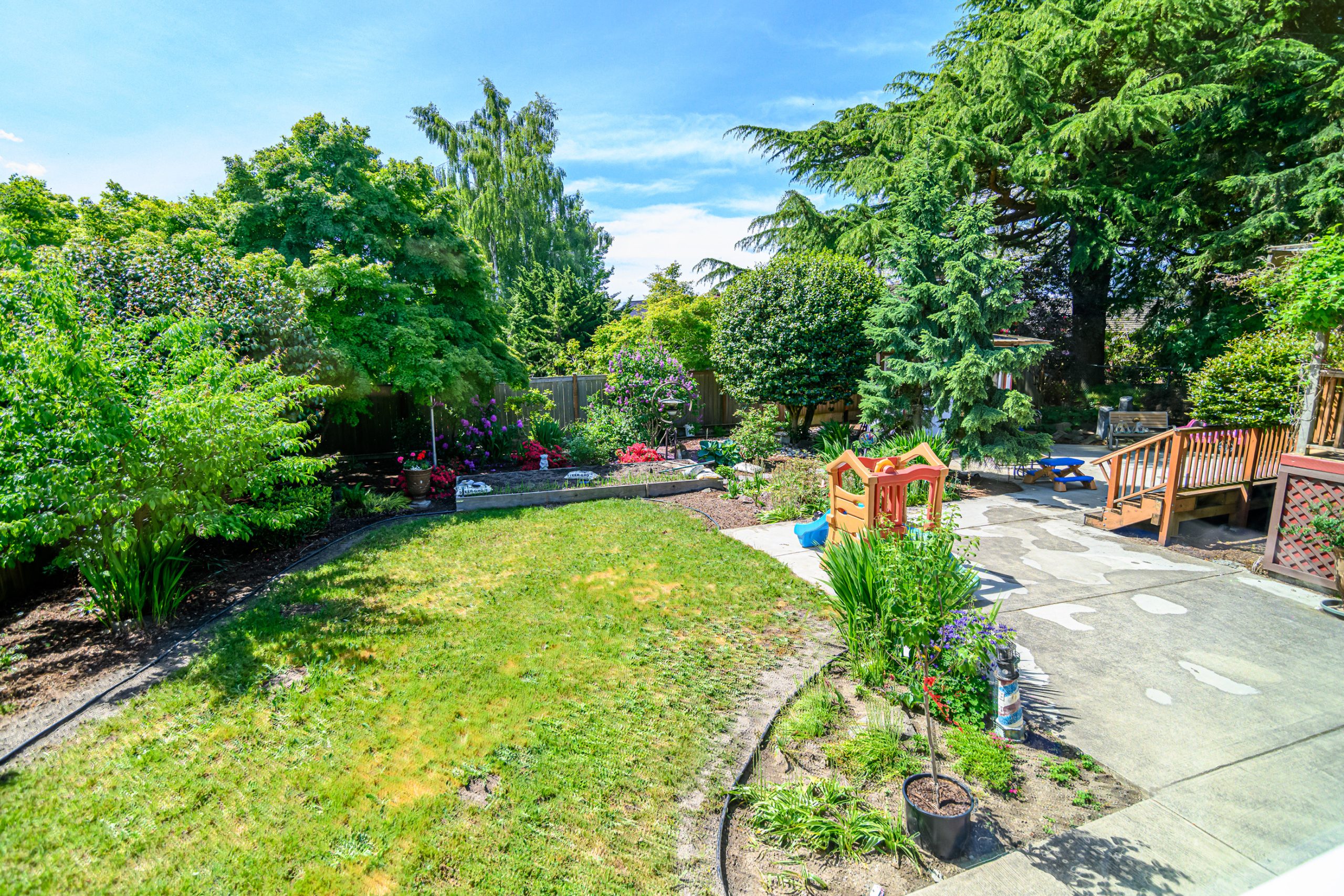
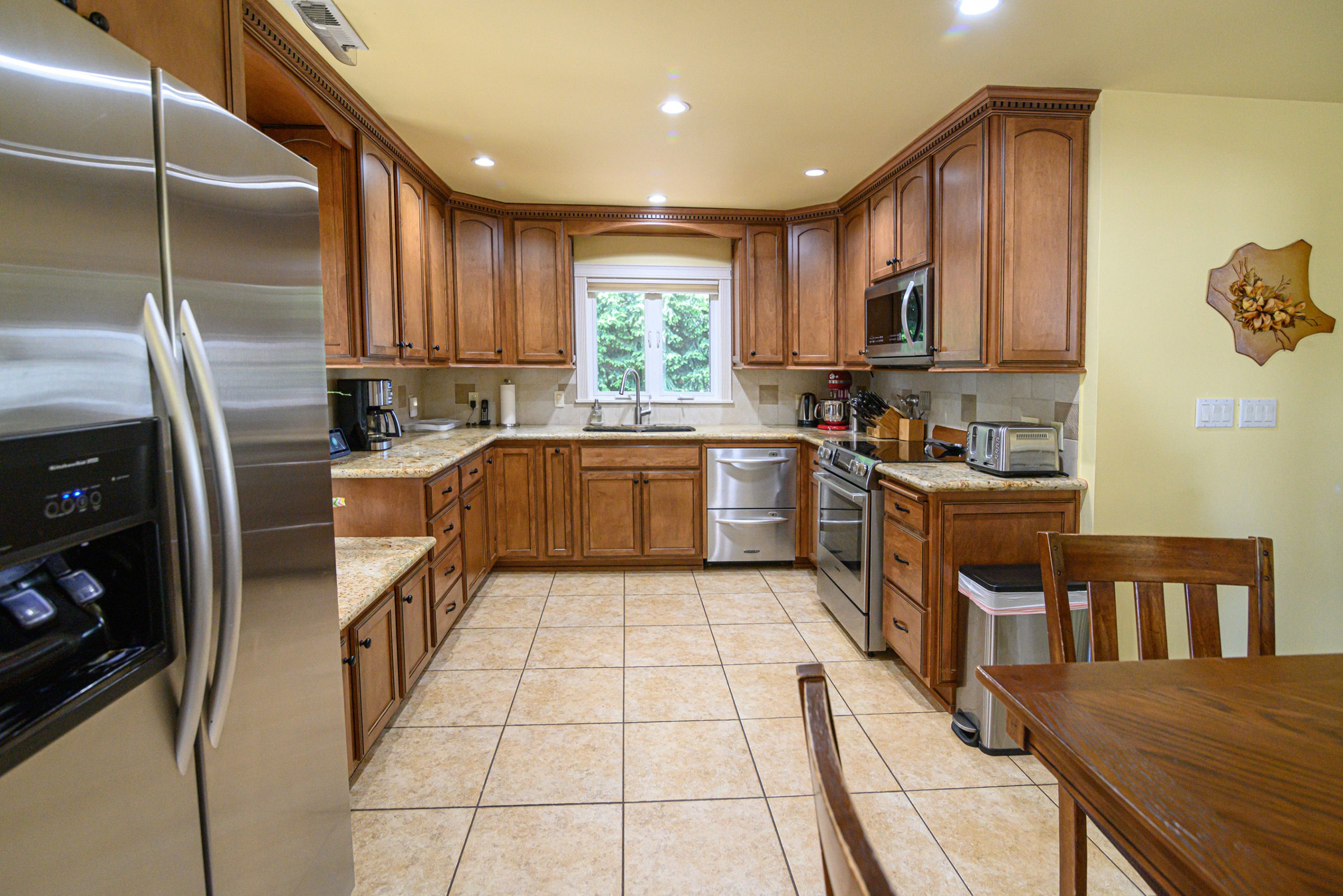
Recovery often feels easier when a person is comfortable where they are staying. Private and semi-private rooms give families options that can better match personal preferences and recovery needs. Residents also have access to home-cooked meals, garden spaces for fresh air and relaxation, and modern safety features that support peace of mind.
At Genesee Senior Care Home, the setting is designed to feel residential rather than clinical. That matters for seniors who may already feel tired, uncertain, or overwhelmed after a stroke. A familiar rhythm, shared meals, and quiet surroundings can help the day feel less stressful.
Helpful details for families
- Private or semi-private room options
- Nutritious home-cooked meals tailored to dietary needs
- Relaxation space for quiet time and fresh air
- Ongoing supervision through the day and night
Skilled daily support
Stroke rehabilitation often depends on the little things done consistently. That may include assistance with repositioning, meal support, encouragement during walking practice, or monitoring for shifts in appetite, sleep, or comfort. We provide that steady support so residents do not have to face recovery alone.
The licensed geriatric registered nurses at Genesee Senior Care Home bring clinical awareness to everyday care. That combination of personal attention and health-focused observation can be especially important for seniors who need a careful watch during recovery.
Daily care may include
- Help with personal hygiene and dressing
- Supervised movement around the home
- Support during mealtimes
- Observation for changes in speech, balance, or alertness
- Encouragement to rest when energy runs low
Memory and communication
Some stroke survivors have trouble finding words, following directions, or remembering details. That can make even ordinary conversations feel frustrating. We keep communication simple, patient, and respectful so residents have time to respond without pressure.
When memory or communication changes are part of recovery, the environment matters. Repeated routines, familiar faces, and clear instructions can reduce stress and help residents feel more secure day to day.
Ways we help communication
- Clear directions: short steps presented one at a time
- Consistent routines: repeated patterns that are easier to follow
- Patient interaction: space to answer, ask questions, or pause
- Family updates: communication that helps relatives stay informed
Meals and comfort
Nutrition can play a meaningful role during stroke recovery. Some residents need softer textures, altered meal timing, or dietary adjustments. We prepare home-cooked meals and tailor them to dietary needs so eating feels more manageable and less stressful.
Comfort also comes from the daily environment. Regular meals, gentle pacing, and quiet time all help create a recovery routine that feels stable. For many seniors, that kind of consistency makes the next steps feel easier to face.
Tour and planning
Families often want to see where their loved one may stay before making a decision. A tour gives you a chance to ask questions, understand the daily rhythm, and see how stroke rehabilitation support is handled at Genesee Senior Care Home.
When you visit, think about the details that matter most for your loved one’s recovery. The best fit is usually the place that feels calm, attentive, and practical for the level of support needed right now.
Questions to ask during a tour
- How is movement support handled during the day?
- What does a typical meal routine look like?
- How are communication changes handled?
- What room options are available?
- How do you support changing care needs over time?
Areas we serve
Genesee Senior Care Home serves families from Seattle, Washington and nearby communities such as Burien, White Center, Tukwila, Des Moines, SeaTac, Renton, Bellevue, Alki, Youngstown, North Admiral, and Seaview. If your loved one needs stroke rehabilitation support near West Seattle, we welcome you to reach out and learn more.
Choosing the right setting after a stroke can make daily life feel less uncertain. With round-the-clock care, home-like surroundings, and steady support, we help residents settle into a routine that supports recovery and dignity.
Common questions
How does stroke recovery support differ from regular senior care?
Stroke recovery support often includes closer observation, more hands-on help with daily tasks, and a stronger focus on movement, communication, and energy levels. The routine is usually shaped around what the resident can handle each day.
What if my loved one tires quickly?
Fatigue is common after a stroke. We pace activities, allow rest, and help residents move through the day without unnecessary strain.
Can residents receive help with meals?
Yes. We provide home-cooked meals and can tailor them to dietary needs, which is helpful when eating becomes more difficult after a stroke.
Is this a good option for someone with memory changes after a stroke?
It can be. Calm routines, repeated guidance, and supervised daily care can support residents who need help with memory or communication.
What does a typical day look like for a stroke recovery resident?
A typical day may include personal care, meals, rest, supervised movement, and simple routines that support comfort and recovery at a steady pace.
How can a family get started?
You can contact Genesee Senior Care Home to ask questions and schedule a tour. That visit can help you understand whether the setting and support match your loved one’s needs.