When memory changes start affecting daily routines, families often notice more than forgetfulness. There may be confusion with time or place, missed meals, repeated questions, wandering, or a growing need for reassurance during simple tasks. Those moments can feel stressful at home, especially when your loved one still wants dignity, comfort, and a familiar rhythm to the day.
Genesee Senior Care Home offers Memory Care for seniors in Seattle, Washington, with round-the-clock supervision, personalized attention, and a warm residential setting. We help create calm days, consistent routines, and safe support for residents who need help staying oriented and comfortable while still feeling at home.
Memory care support
Memory care is more than reminding someone where they are or what day it is. It is structured support for seniors who need help with orientation, supervision, and daily living because memory loss affects safety, confidence, or comfort. At Genesee Senior Care Home, that support is woven into everyday life rather than delivered in a rushed or institutional way.
Residents may need help with meals, movement around the home, personal routines, medication reminders, or steady reassurance during times of confusion. We adjust care based on what each resident can still do independently and where support makes the day easier.
Signs that extra support may help
- Repeating the same questions or stories often
- Missing meals or forgetting whether food was eaten
- Confusion about time, day, or location
- Restlessness, agitation, or withdrawal from usual activities
- Difficulty following familiar routines
- Increased fall risk or unsafe wandering
Daily routine care
A steady routine can make a meaningful difference for someone living with memory loss. Predictable meals, familiar caregivers, and consistent cues reduce stress and help the day feel less confusing. Our memory care approach focuses on calm structure, respectful guidance, and simple routines that support comfort.
Genesee Senior Care Home is an adult family home in West Seattle, and that home-like setting helps many residents feel more settled than they would in a busier environment. We keep daily life organized without making it feel rigid. The goal is to create a rhythm that supports memory, lowers anxiety, and keeps the resident engaged at a level that feels manageable.
What daily support may include
- Morning guidance
Help with waking, grooming, dressing, and starting the day with a calm routine.
- Meal support
Nutritious home-cooked meals tailored to dietary needs, with encouragement and supervision when needed.
- Activity prompting
Gentle invitations to participate in activities, conversation, or time outside in garden spaces.
- Evening settling
Extra reassurance, familiar routines, and a quiet atmosphere to support comfort before bed.
Safety and supervision
Memory loss can make everyday situations feel unpredictable. A resident may forget where a room is, misjudge a step, or become anxious when a routine changes. That is why safety and supervision are central to memory care. At Genesee Senior Care Home, residents receive attention throughout the day and night so concerns can be noticed early and support can be given promptly.
The home includes modern safety features designed to support a secure environment while preserving a warm, residential feel. Families often want reassurance that their loved one is not only watched, but also treated with patience and respect. That balance matters here.
Support that helps reduce confusion
- Clear daily structure
- Regular check-ins and supervision
- Simple, familiar surroundings
- Help with transitions between activities
- Calm redirection when a resident becomes unsettled
Personalized care
No two residents experience memory loss the same way. Some people remain conversational and social, while others need more help with orientation, personal care, or decision-making. Our care plans are shaped around the resident’s needs, preferences, abilities, and comfort level.
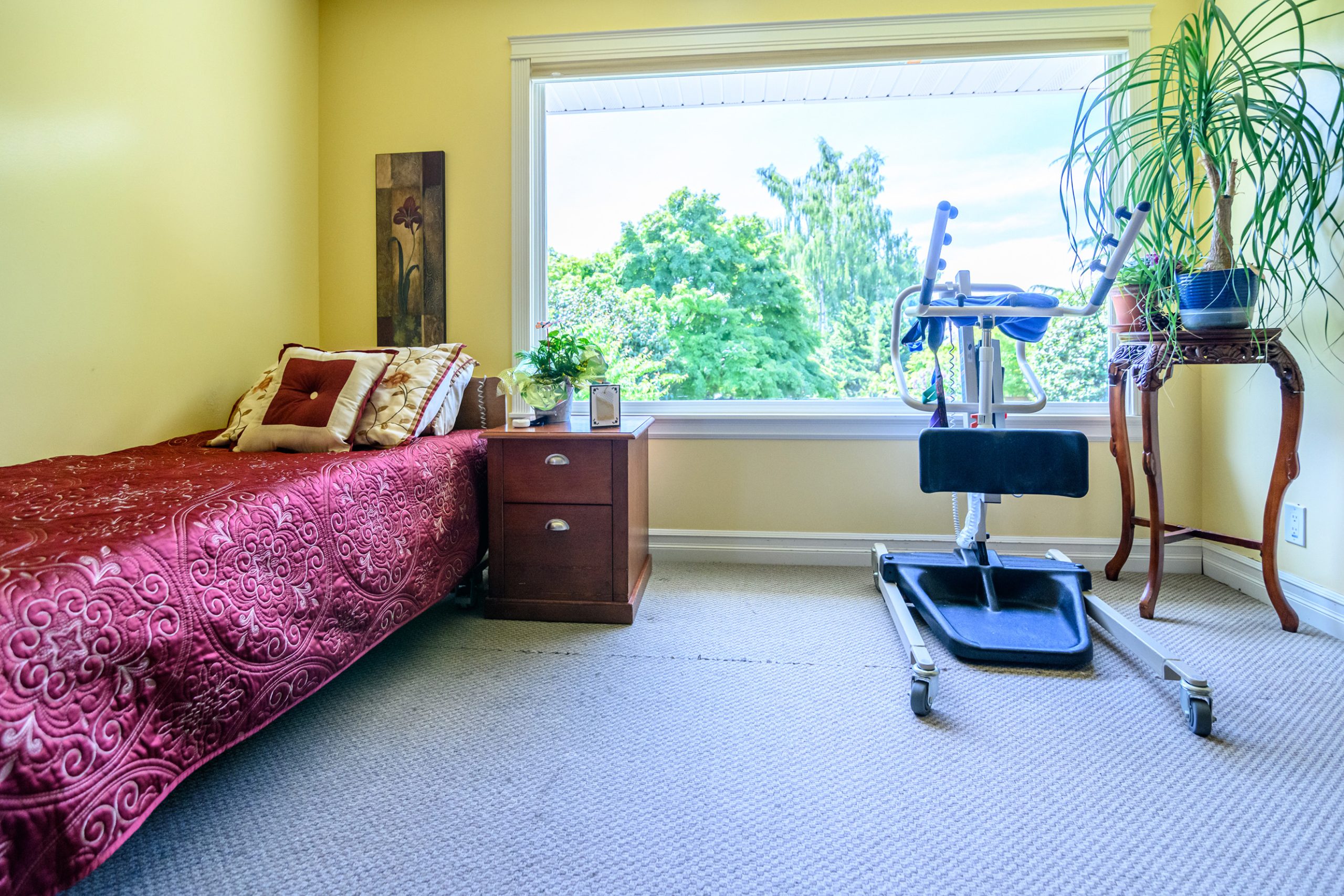
Families looking for Memory Care in Seattle, Washington often want a place that feels personal rather than clinical. Genesee Senior Care Home provides private and semi-private rooms, allowing residents to settle into a space that feels comfortable and familiar. We also take time to learn routines, favorite foods, and habits that help each resident feel more secure.
How care is shaped
Communication style: Some residents respond well to short prompts, while others need slower conversation and repeated reassurance.
Daily independence: We support what the resident can still do, then step in where memory loss creates difficulty.
Personal preferences: Familiar routines, food choices, and room setup can all help reduce stress and confusion.
Meals and comfort
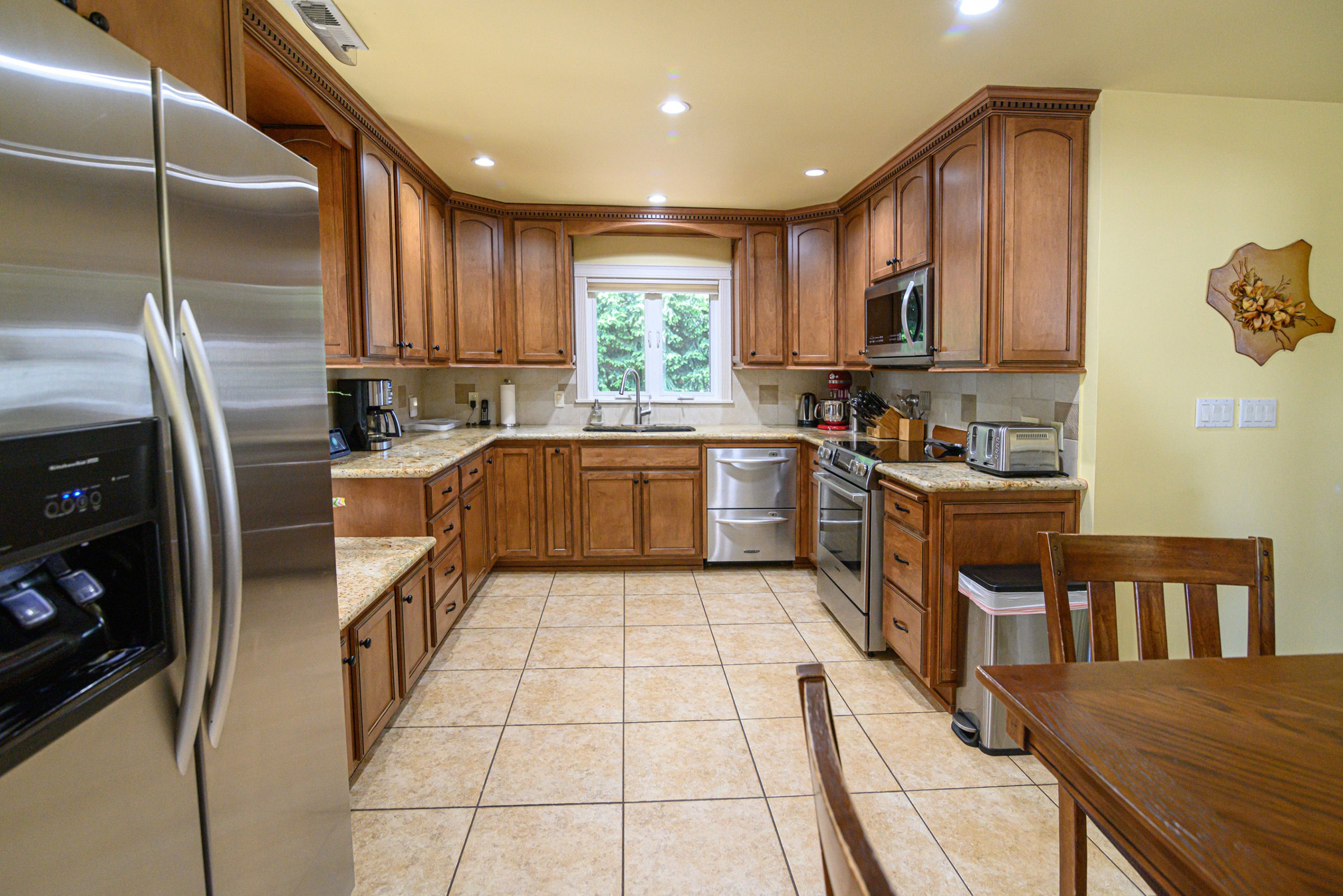
Food can be an important source of comfort for someone living with memory loss. A regular meal schedule, familiar flavors, and a relaxed dining atmosphere can make the day feel more stable. We provide home-cooked meals tailored to dietary needs so residents receive nourishment that fits their situation.
Meals also create a natural chance for supervision, conversation, and gentle redirection. For many residents, sitting down to eat at the same times each day helps them stay anchored. If a resident needs encouragement to eat, drink, or remain at the table, support is provided with patience and care.
The home also includes garden spaces for relaxation and activities. For some residents, being outdoors for a short while can ease restlessness and create a more peaceful part of the day.
Stroke and chronic care
Memory changes do not always appear alone. Some residents also need support related to stroke recovery or chronic disease management, and those concerns can add to the stress of daily life. Memory care works best when the full picture is taken seriously, not just the forgetfulness itself.
Genesee Senior Care Home can support seniors whose memory needs overlap with assisted living care, stroke rehabilitation, hospice care, or chronic disease management. That broader care helps reduce the strain on families who are balancing multiple health concerns at once.
When memory loss and physical limitations happen together, even simple tasks may take more time. We respond with steady pacing, close attention, and flexible support that respects the resident’s energy and comfort.
What families notice
Families often reach a turning point when home care starts to feel too difficult to manage alone. That may happen after a loved one has a frightening episode of confusion, starts wandering, or needs more help than one person can safely provide. Others notice smaller changes first, like missed medications, repeated calls, or growing resistance to routine tasks.
Choosing memory care does not mean giving up on independence. It means creating a safer setting where the resident can continue living with dignity, while the burden of constant supervision does not rest entirely on family members.
Many families tell us they are looking for three things: reassurance, consistency, and a place that feels humane. Those are the qualities we aim to provide every day.
Common questions
How does memory care differ from regular assisted living?
Memory care adds a stronger focus on orientation, supervision, routine, and support for confusion or wandering. Assisted living care may help with daily tasks, while memory care is shaped around the specific challenges that come with cognitive decline.
Can residents keep a private room?
Yes. Genesee Senior Care Home offers private and semi-private rooms, giving families options that can support comfort, privacy, and a calmer personal space.
What helps a resident adjust more easily?
Familiar routines, clear communication, personal belongings, and steady caregivers often help. A slow transition can also be easier when the resident visits the home, meets the setting, and becomes acquainted with daily patterns.
Do residents take part in activities?
Yes, when appropriate. Activities may be simple and low-pressure, such as conversation, time outdoors, or quiet engagement that matches the resident’s comfort and attention span.
How are meals handled for residents with memory loss?
Meals are home-cooked and tailored to dietary needs. We also provide support around meal timing, encouragement, and a calm dining experience so eating feels less confusing.
Can memory care support other health needs too?
Yes. Many residents need memory support alongside other care such as chronic disease management, stroke rehabilitation, or hospice care. We work with the resident’s overall needs so daily support remains consistent and respectful.
Schedule a visit
If you are looking for Memory Care in Seattle, Washington, Genesee Senior Care Home invites you to schedule a tour and see how our setting feels for your loved one. A visit can help you understand the atmosphere, the routines, and the kind of support we provide day to day.
We are here to answer questions, talk through concerns, and help families determine whether this home is a good fit. Reach out by phone at +15642323844 or by email at valgocan@gmail.com to learn more.