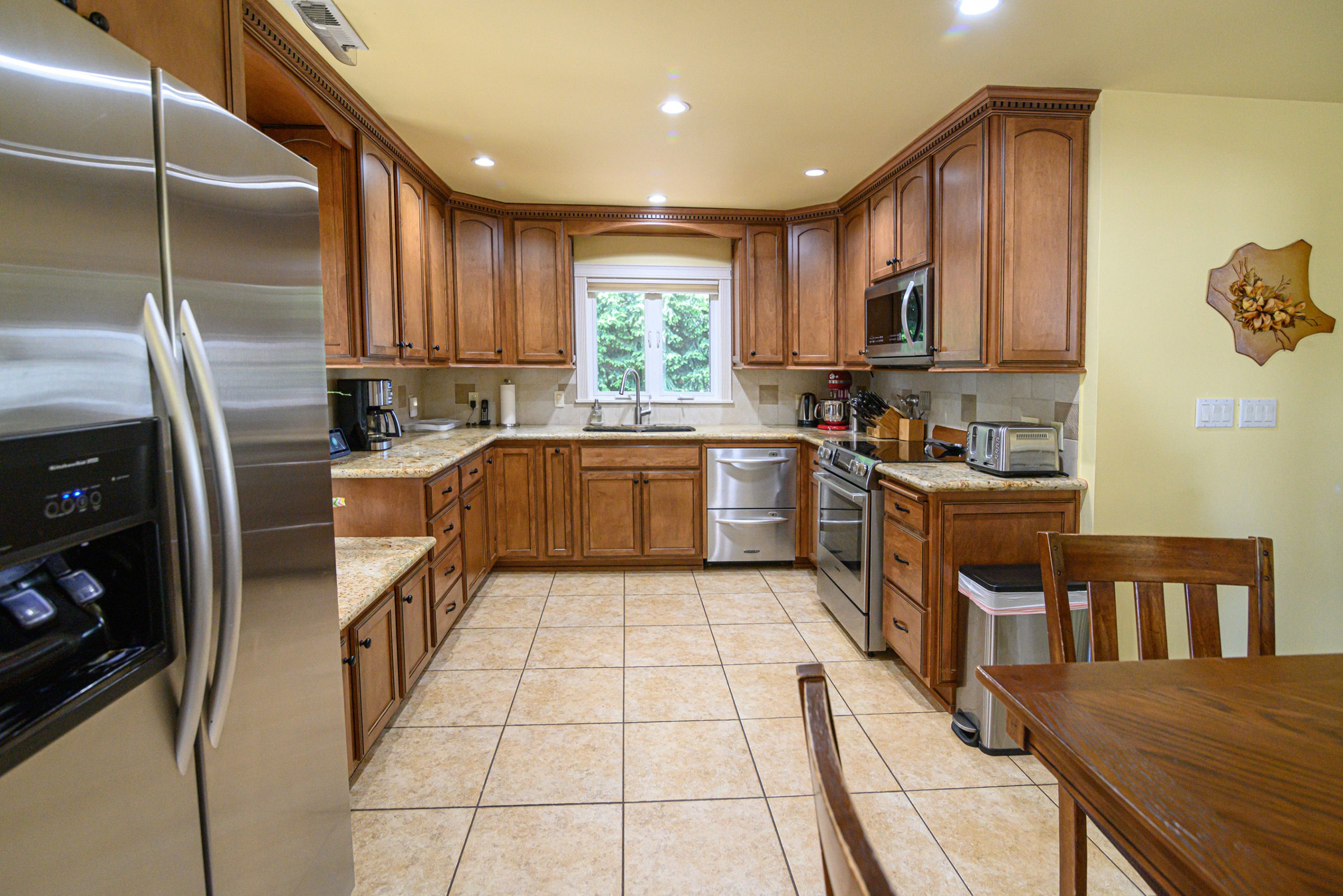
Choosing an adult family home (AFH) is both a practical decision and a personal one. You are comparing care, safety, daily routines, communication, location, and cost, while trying to understand what will help your loved one feel respected and at home. A thoughtful process can make the decision clearer.
Start with the person’s needs and preferences
Write down the support needed today: bathing, dressing, eating, mobility, medication routines, memory-related supervision, meals, or help overnight. Include what the person enjoys, what helps them feel comfortable, language or cultural preferences, dietary needs, and important routines. If needs are changing, ask the healthcare team what support may be needed soon. A provider should explain honestly whether the home can meet those needs.
Confirm the home is licensed and appropriate
In Washington, adult family homes are licensed residential settings. Use Washington DSHS resources to understand residential care options and look up provider information. Begin with the state’s long-term-care residential options. Ask the home how its license and staffing match the care being discussed, and whether it has experience with the person’s particular needs. A license does not by itself guarantee that a specific home is the right fit.
Visit and observe daily life
Schedule a visit and, if possible, see the home during an ordinary mealtime or activity. Notice whether the space feels clean and comfortable, whether residents are treated with patience, and whether staff communicate respectfully. Ask how residents make choices about routines, meals, visitors, and privacy. If the resident can participate in the tour, make space for their questions and impressions.
Ask how care is organized
- Who is present during the day and overnight, and how are staff responsibilities covered?
- How does the home learn about a resident’s needs and update the care plan?
- How are medications, appointments, changes in health, and emergencies handled?
- How will the family receive routine updates, and whom should they call with a concern?
- What services can the home provide, and what needs would require a different setting?
- What is the process after a hospital stay or if care needs increase?
Ask for concrete examples and written policies where relevant. If the provider’s answer is unclear, ask them to explain it another way.
Understand the agreement and complete cost
Request the resident agreement, service description, current rate, and any fee schedule before deciding. Confirm what the monthly rate includes, what costs extra, how a care-level change affects fees, and what notice is required to end the arrangement or change providers. Ask about room availability and whether a particular room is private or shared. Do not rely on a verbal estimate when comparing homes.
Check communication and family involvement
Ask how the home handles family visits, care conferences, complaints, and urgent notifications. Discuss who can receive information and what authorizations may be needed. If the resident has a representative or decision-maker, clarify how that person will work with the provider while preserving the resident’s choices and privacy.
Take time to compare
Make a short comparison sheet for each home: care fit, staffing, setting, location, communication, availability, and total costs. If a decision must be made quickly after a hospital stay, ask the care team about safe discharge planning and take time to verify that the proposed home can meet the person’s needs.
Genesee Senior Care Home is in West Seattle and offers residential care services for older adults. Read about our senior care services, learn about our home, or schedule a conversation or tour. Families ready to begin can also visit our resident application page. The best choice is the one that fits the individual’s needs, preferences, and circumstances.